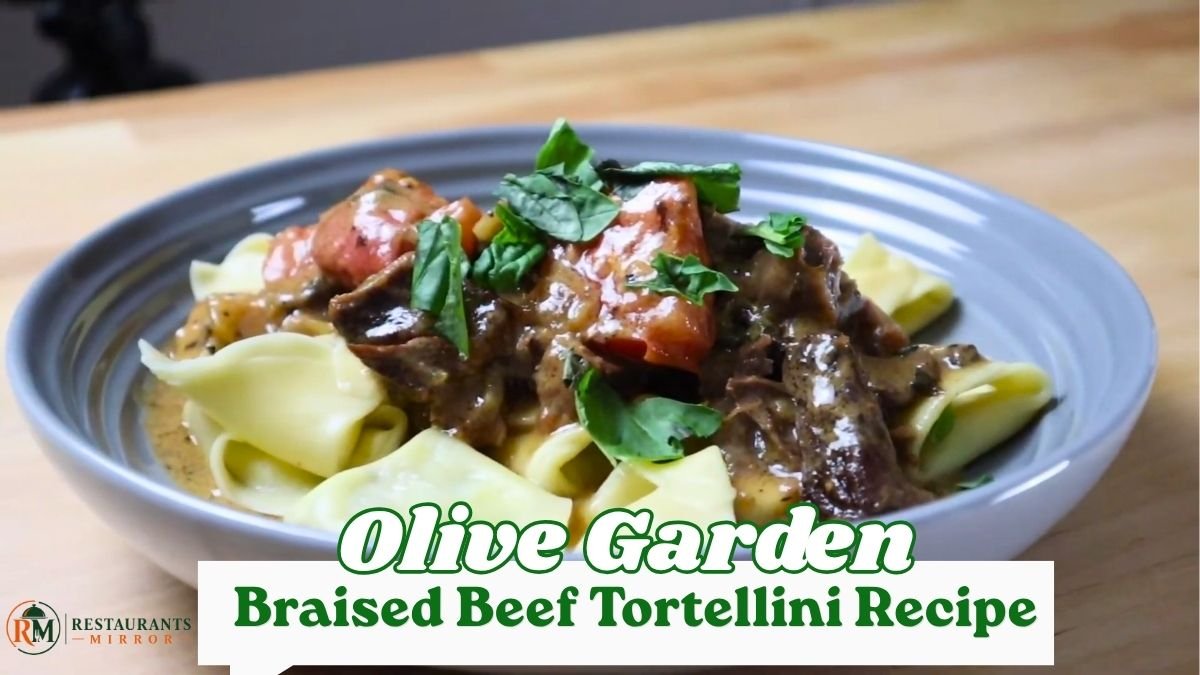
Olive Garden Braised Beef Tortellini Recipe
Olive Garden Braised Beef Tortellini Recipe was the dish my brother and I fought over every October. We ate at the same Olive Garden in Wichita for six straight years, always on the weekend of our fall family reunion. The hostess there knew our order by heart.
I ordered this same delicious dish every single visit, no exceptions. My brother finally suggested we try making it at home ourselves. He said four years of the same order finally wore him down. That conversation happened two winters ago on a cold Sunday night in January.
This recipe is not something you throw together after work. It took four separate attempts, one ruined batch of dough, and a full Saturday afternoon to get right. My kitchen smelled like a rich, simmering beef sauce for two days straight.
Our Aunt asked for the recipe before she finished her second bowl. That reaction told me this dish was worth writing down. She even packed leftovers home in an old margarine tub. She still asks us to make it every time she visits.
What is Olive Garden Braised Beef Tortellini
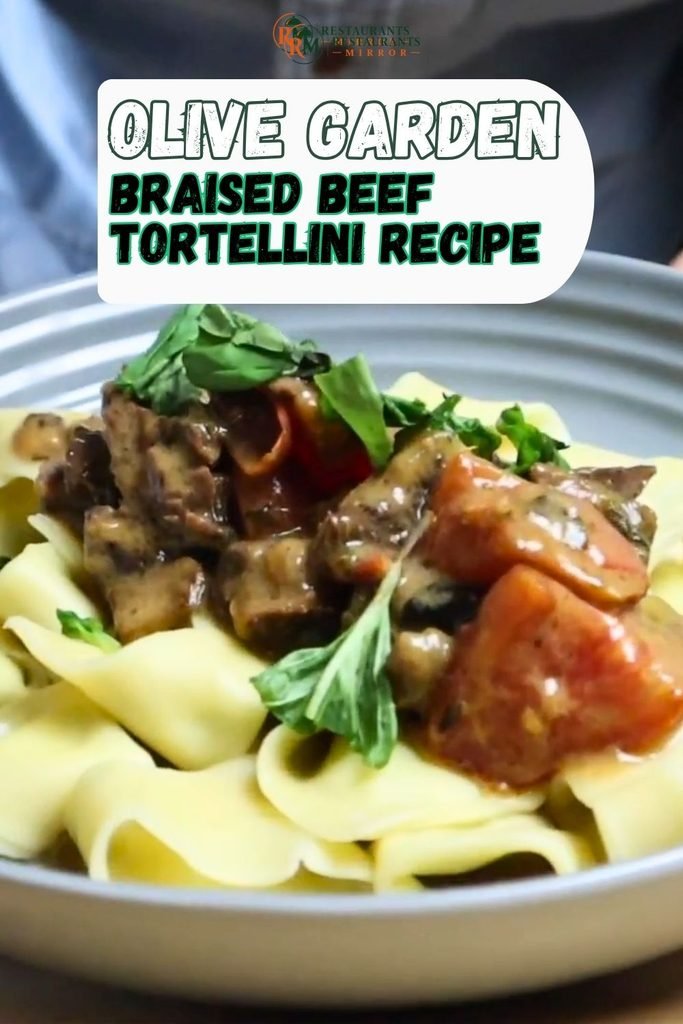
This dish is built around beef short ribs. They cook low and slow in a Dutch oven. The beef turns fork-tender over a couple hours, then gets shredded into a rich, creamy sauce.
The sauce gets its depth from beef stock, grape juice, and pan drippings left from searing the meat. Portobello mushrooms and a small amount of tomato round out the flavor.
Everything gets spooned over cheese tortellini, usually from a store-bought bag, though homemade dough works here too. A little chopped basil on top finishes the plate.
At the restaurant, this dish comes with a hefty price tag for a fairly small portion. Making it at home turns the same amount of beef into four or five full servings.
The Inspiration Behind Olive Garden’s Braised Beef Tortellini
This recipe takes real time, so it earns its place because of what happens inside the pot. Braising short ribs for two hours breaks down tough connective tissue you cannot rush with a quick sear.
My brother tested three versions of the sauce before landing on the right ratio of grape juice to beef stock. Too much grape juice made the sauce taste overly sweet instead of balanced.
Store-bought tortellini works fine here, so the hardest part of this recipe is really just patience. Most of the active work happens in short bursts between long stretches of simmering.
The result holds up next to the restaurant version. A few people in our family now ask for this instead of an actual Olive Garden trip.
The Ingredients Required to Make Braised Beef Tortellini
3 pounds bone-in beef short ribs: These form the entire base of the braise. The bone releases collagen as it cooks, which thickens the sauce naturally over the two-hour braise. I always grab mine from Costco.
Boneless short ribs work in a pinch, though the sauce ends up a touch thinner without that extra collagen.
1 tablespoon kosher salt: This seasons the meat before searing, pulling moisture to the surface so the crust forms properly. I use Diamond Crystal, since its lighter grain makes it easier to season evenly by hand.
1 1/2 teaspoons black pepper, freshly cracked: Cracked pepper adds sharpness that cuts through the richness of the beef fat. Pre-ground pepper works, but it loses its bite within a few months on the shelf.
1/4 cup extra virgin olive oil: The oil gets the Dutch oven hot enough to sear the ribs without burning the fond. Bertolli is my usual pick, since it holds up fine at searing temperatures.
1 large Vidalia onion, cubed: Vidalia onions cook down sweet instead of sharp, which balances the acidity from the braising liquid later. A yellow onion works too, though the sauce turns out slightly less mellow.
3 sprigs fresh thyme: Thyme adds a woodsy note to the braising liquid that dried thyme cannot match. Pull the leaves off tougher stems before adding, or fish out the whole sprigs before serving.
1/2 cup chopped fresh basil, divided: Half goes into the braise for background flavor, and the rest gets sprinkled fresh on top for a bright finish. Dried basil loses too much aroma to work here.
1 cup white grape juice: Grape juice creates the deep sweetness, without any alcohol, making it a safe pick for family dinners with kids at the table. Welch’s is what I keep on hand, since it is easy to find at most grocery stores.
1 1/2 cups beef stock: Stock adds body to the braising liquid, which later becomes the base of the sauce. Better Than Bouillon mixed with water works well and stores longer than boxed stock.
1 cup water: Water thins the braising liquid enough to fully submerge the ribs without diluting the flavor too much. A larger Dutch oven needs a bit more, since more surface area calls for more liquid.
1 tablespoon balsamic vinegar: A splash of vinegar deglazes the mushroom pan and adds acidity that keeps the finished sauce from tasting flat. Cheap balsamic works fine here, since it gets cooked down anyway.
1 large portobello mushroom cap, chopped: Mushrooms add an earthy note that plays well against the sweetness of the grape juice. I am not a fan of mushroom texture, but chopping them small solves that problem for me.
2 Roma tomatoes, chopped: Roma tomatoes bring a little acidity and body without watering down the sauce, since they hold less liquid than beefsteak varieties. Canned diced tomatoes work in a pinch, drained well first.
2 tablespoons unsalted butter: Butter forms the fat half of the roux that thickens the finished sauce. Salted butter works too, just cut the added salt elsewhere by half a teaspoon.
3 tablespoons all-purpose flour: Flour is the other half of the roux, and it needs a full 2 to 3 minutes of cooking to lose its raw taste. Gold Medal is what I keep stocked.
1/4 cup heavy cream: Cream smooths out the sauce and softens the sharper edges left by the grape juice and vinegar. Half-and-half works, though the sauce turns out noticeably thinner.
20 ounces refrigerated cheese tortellini: Store-bought tortellini saves hours compared with rolling and filling dough from scratch. Buitoni is the brand I buy most often, since it holds its shape well through boiling.
Equipment to Make the Braised Beef Tortellini
- Dutch oven: for searing and braising
- Kitchen tongs: for turning hot ribs
- Small saucepan: for making the roux
- Fine-mesh strainer: for straining braising liquid
- Wooden spoon: for scraping up the fond
- Large pot: for boiling the tortellini
Directions to Make Olive Garden Braised Beef Tortellini
Sear the Short Ribs: I seasoned the ribs generously with kosher salt and pepper on all sides. Then I heated olive oil in my Dutch oven over medium-high heat and seared the ribs about 2 minutes per side.
The ribs were ready to flip once they released easily from the pot without sticking or tearing.
Build the Braising Base: I pulled the ribs out and set them aside on a plate. Next I added the onion to the same pot and let it cook for 3 minutes before stirring in the thyme and half the basil.
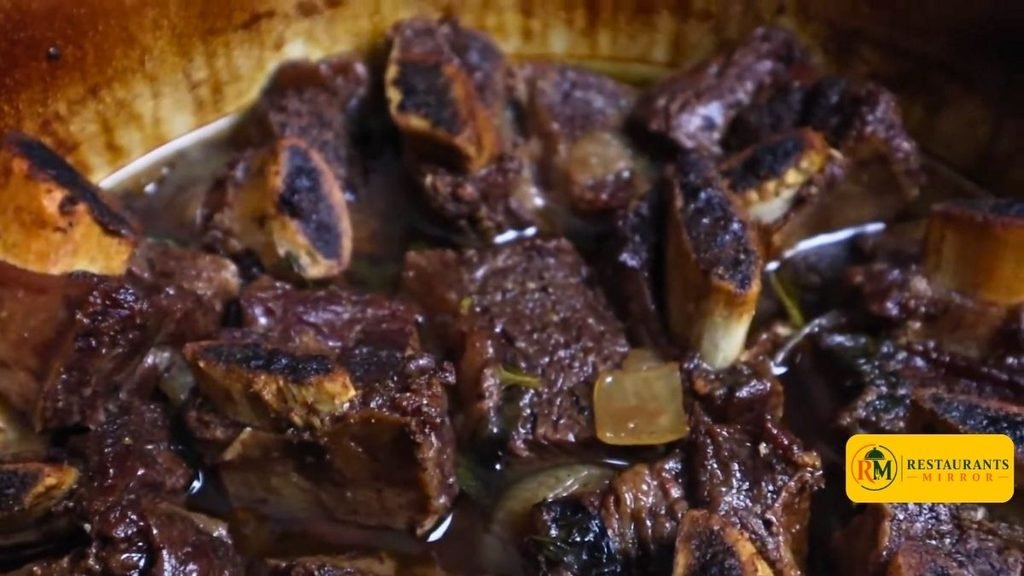
Deglaze and Braise: I poured in the grape juice, scraping up the browned bits, then let it simmer 4 minutes to reduce. I returned the ribs to the pot with the stock and water, covered it, and slid the pot into a 375°F oven for 2 hours.
The meat was done once it pulled away from the bone with almost no resistance from a fork.
Make the Mushroom Tomato Mixture: While the beef braised, I heated a spoonful of the reserved beef fat in a skillet. I sautéed the portobello mushrooms for 3 minutes, added the chopped tomatoes, cooked 2 more minutes, then deglazed with the balsamic vinegar.
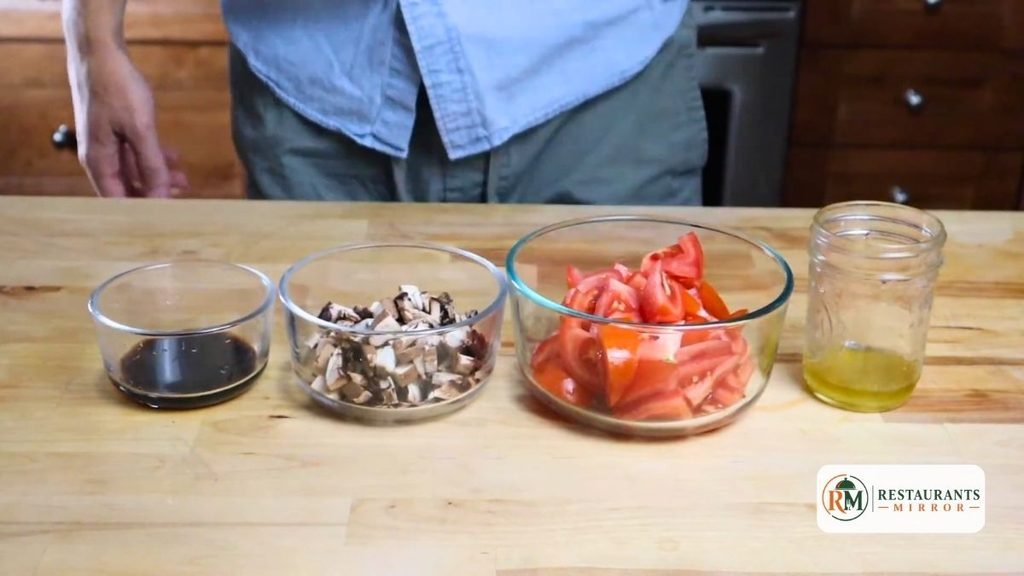
The mushrooms were ready once they turned deep brown and released their liquid into the pan.
Shred the Beef: Once the ribs finished braising, I lifted them out and strained the braising liquid into a bowl, discarding the solids. Then I deboned the meat and pulled out any large pieces of connective tissue.
Meat that resisted a light tug went back into the oven for another 20 minutes, since it still needed more time.
Build the Roux: I melted the butter in a small saucepan over medium-low heat, whisked in the flour, and cooked it a full 3 minutes, until it smelled slightly nutty.
The roux was ready once the color shifted from pale yellow to light tan.
Finish the Sauce: I brought the strained braising liquid to a boil in the Dutch oven, whisked in the roux, and stirred until it thickened, about 3 minutes. Then I pulled the pot off the heat and stirred in the cream.
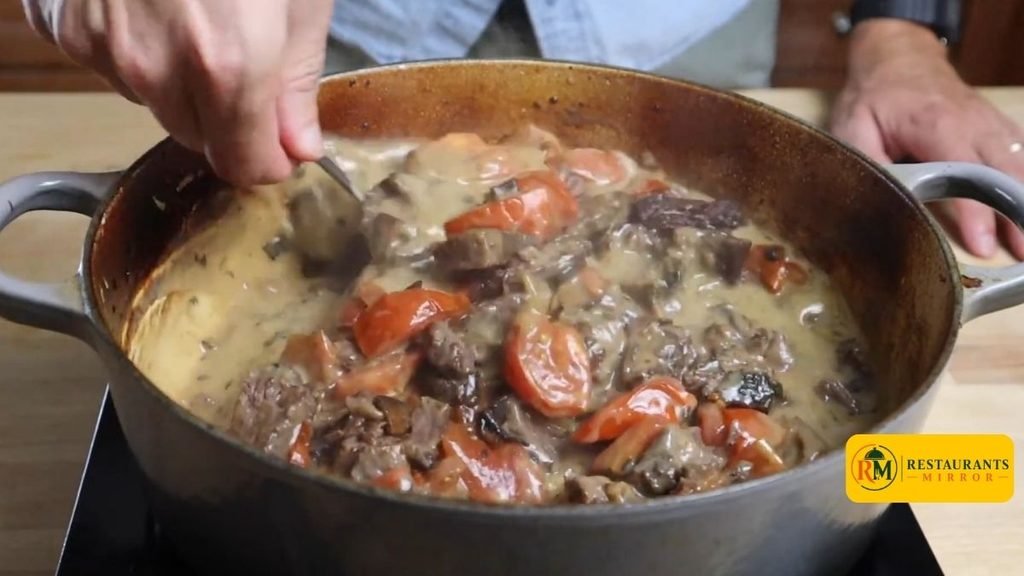
Combine and Serve: I stirred the shredded beef and mushroom tomato mixture into the sauce. Meanwhile I boiled the tortellini according to the package, about 4 minutes, then drained it and topped it with the beef sauce and remaining basil.
Alternative Cooking Methods
The oven method used above braises the short ribs at 375°F for 2 hours in a covered Dutch oven. This gives you steady, even heat and a sauce base that reduces gently the whole time.
A slow cooker works well for this cut of beef. Sear the ribs and cook the onion mixture on the stovetop first. Then move everything to a slow cooker on low for 7 to 8 hours, skipping the oven entirely.
An Instant Pot cuts the cook time dramatically. Sear the ribs using the sauté function. Then pressure cook on high for 45 minutes, followed by a 15-minute natural release before building the sauce.
Slow cooker beef tends to fall apart more, since it cooks longer at a lower temperature. The Instant Pot version cooks fast but needs a careful natural release, or the meat turns tough.
Essential Tips for the Braised Beef Tortellini
Sauce Turns Out Thin: Whisk one teaspoon cornstarch with one tablespoon cold water, stir it into the sauce, then simmer one minute.
Beef Tastes Bland After Shredding: Season the shredded meat again with a pinch of salt, since braising liquid rarely seasons the center of the meat evenly.
Tortellini Turns Mushy: Pull the tortellini the moment it floats to the top, usually 3 to 4 minutes, not the full package time.
Sauce Looks Greasy or Separated: Stir the heavy cream in off the heat, never while the sauce is still boiling.
Roux Turns Lumpy: Add the roux to the hot liquid a little at a time, whisking the whole way, instead of dumping it in at once.
Onions Burn Before the Sear Finishes: Wipe out any blackened bits from the pot before adding the onions, and drop the heat one notch.
Braised Beef Tortellini Variations to Try
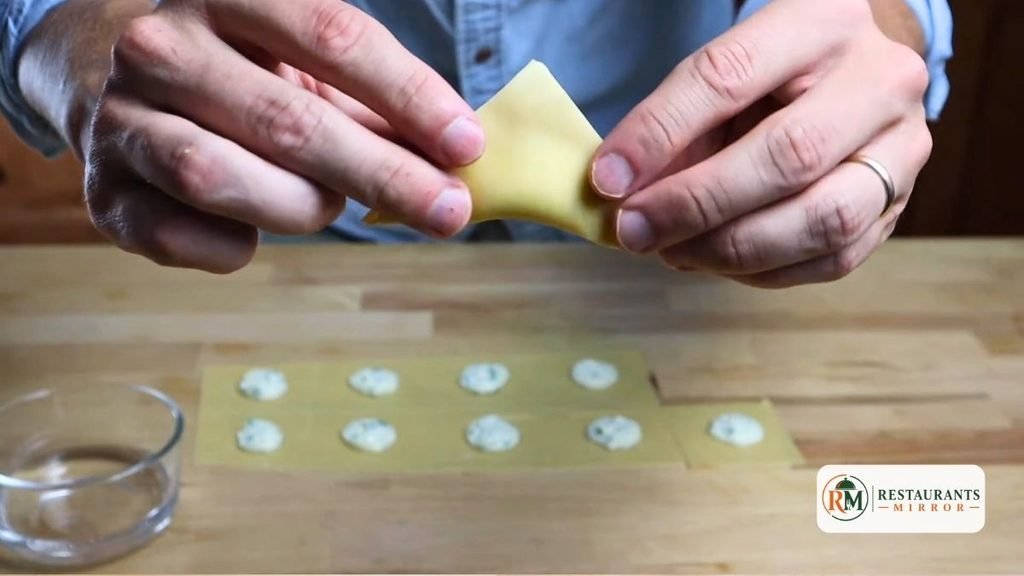
Homemade Tortellini Version: Swap the store-bought pasta for simple egg dough with a ricotta filling, for a chewier bite. Save this one for a slower weekend dinner.
Extra Mushroom Version: Add a second portobello cap plus a handful of chopped cremini for a deeper, earthier sauce. Good for a cold night in late fall.
Spicy Version: Stir a scant half teaspoon of red pepper flakes into the sauce near the end for slow-building heat. Pair it with a crusty loaf for dipping.
Lighter Version: Swap the heavy cream for half-and-half and cut the butter in the roux by half. The sauce turns noticeably thinner. Good for a lighter weeknight dinner.
Weeknight Ragu Swap: Replace the short ribs with two pounds of ground beef chuck, cutting the cook time to about 45 minutes. Less deep in flavor, but fast after work.
Herb-Forward Version: Add two sprigs each of rosemary and sage to the braise for a more aromatic, holiday-leaning sauce. Serve alongside a roasted turkey dinner.
What Dishes to Try With This Braised Beef Tortellini
A simple salad with lemon vinaigrette cuts through the richness of the sauce nicely. Arugula with shaved Parmesan works especially well here. A squeeze of lemon at the end brightens the greens even more.
Garlic breadsticks make sense too, mostly because there is extra sauce on the plate begging to be mopped up. A crusty baguette works just as well. Toasting the bread with a little garlic butter first makes a real difference.
Roasted broccolini or asparagus adds a little green to the plate without competing with the beef. A quick toss in olive oil and salt is all they need. Roasting them at 425°F for about 12 minutes keeps a slight snap in the stems.
For a full meal, start with the salad and breadsticks. Put the beef and tortellini in the center of the table. Pour everyone a glass of the same grape juice used in the sauce.
Turning Leftover Braised Beef Tortellini Into Something New
Leftover beef and sauce turn into a solid weeknight meal on their own. Use them within about 3 days for the best flavor. The tortellini itself gets soft fast, so it does not hold up as well the next day.
Spoon the leftover beef and sauce over a bowl of soft polenta instead of tortellini for a completely different texture. The creamy polenta soaks up the sauce just as well as pasta does.
Leftover beef also works stuffed into a toasted hoagie roll with a slice of provolone. Run it under the broiler for about 2 minutes, until the cheese melts.
Storing Braised Beef Tortellini
Store the beef and sauce in an airtight container in the fridge for up to 4 days. Keep the tortellini separate when possible, since it softens fast sitting in sauce overnight. Glass containers hold up better than plastic, since the sauce can stain it.
The sauce freezes well on its own for up to 3 months in a freezer-safe container. Leave about an inch of headspace for expansion. Thaw it overnight in the fridge before reheating. Reheat frozen sauce in a saucepan, never in the microwave, for even texture.
Reheat the beef and sauce slowly in a saucepan over medium-low heat, stirring often. High heat can cause the cream to separate. Add a splash of beef stock or water, since the sauce thickens more after chilling.
Cooked tortellini does not freeze well on its own, turning mushy once thawed. Cook a fresh batch instead and spoon the reheated sauce over the top. Freeze cooked tortellini separately from sauce, and expect a slightly softer bite after it thaws.
Common Queries and FAQs
1. Can I use a different juice instead of grape juice?
Apple juice works as a close stand-in, though the sauce turns out a little less rich. White cranberry juice works too, using a slightly smaller amount to keep the sweetness balanced.
2. Do I need a Dutch oven for this recipe?
A heavy oven-safe pot with a tight lid works fine too. Cast iron holds heat well and browns the ribs evenly during the sear.
3. Is this dish spicy?
No, the base recipe carries no heat at all. Add crushed red pepper flakes near the end for a mild kick, without changing the rest of the sauce.
4. Why did my beef turn out tough instead of tender?
Tough beef usually means it needs more time in the oven, not less. Short ribs need close to 2 hours of steady heat to break down fully.
5. Can I use frozen tortellini instead of refrigerated?
Frozen tortellini works fine here. Boil it straight from frozen, adding about 2 extra minutes to the cook time listed on the package.
6. Why does my sauce look grainy after adding the cream?
Grainy sauce usually means the cream went in over high heat. Pull the pot off the burner completely before stirring in the cream next time.
Olive Garden Braised Beef Tortellini Recipe earns its long ingredient list through the payoff in that final bowl. The short ribs, the roux, and the grape juice reduction each pull their own weight in the sauce.
Once you have made it once, the second attempt moves faster, since most of the timing becomes second nature. Keep the leftovers close, because that sauce only gets better on day two.