
Tasting History Pecan Pie Recipe
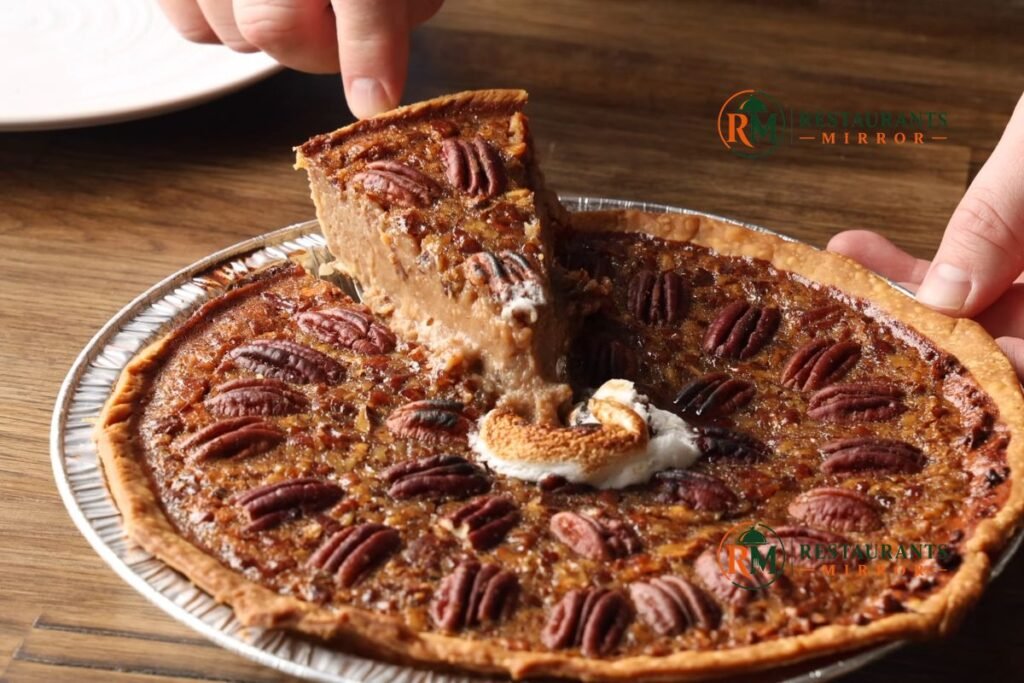
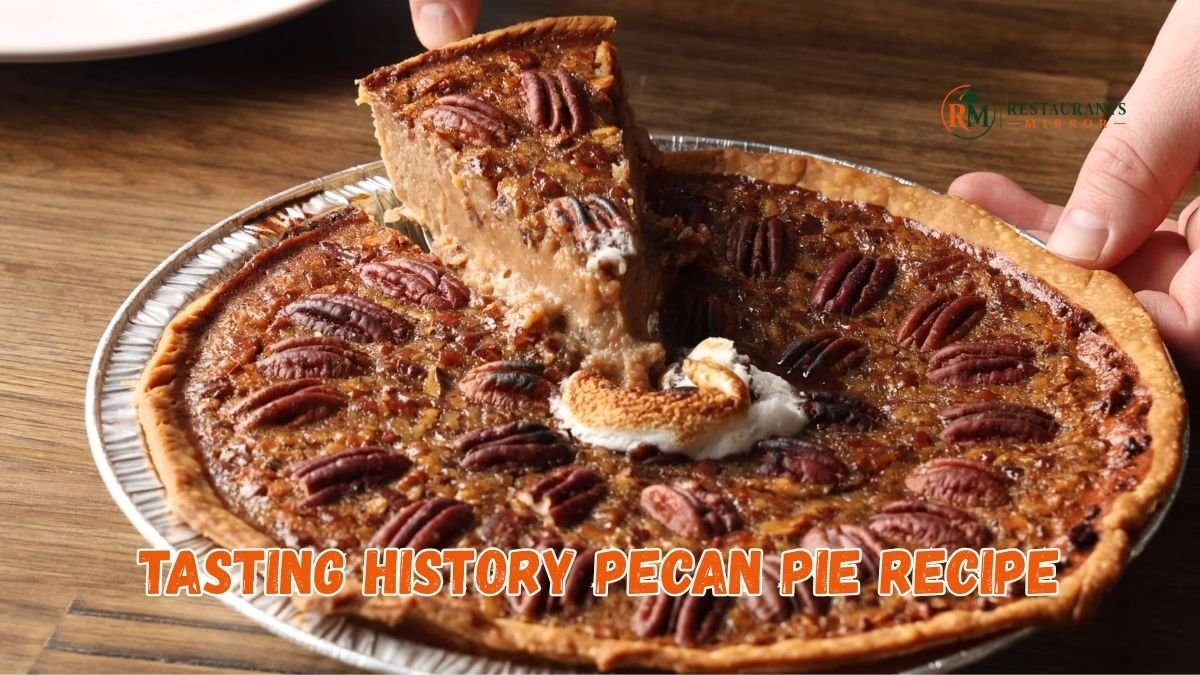
Tasting History Pecan Pie Recipe is a rich, classic dessert with a smooth custard filling, brown sugar, and plenty of toasted pecans. Unlike traditional pecan pies that often use corn syrup, this version has a softer, creamier texture that sets beautifully in the oven.
The combination of buttery pastry, sweet filling, and crunchy pecans makes this pie a great choice for holidays, family gatherings, or any occasion that calls for a comforting homemade dessert.

Why Cooking the Custard First Makes a Difference
Cooking the egg and milk mixture partway on the stove before baking changes how the final pie sets. It gives the filling a head start toward thickening, so the oven only needs to finish the job.
Skip that stovetop step, and the raw filling takes longer to set in the oven. That extra oven time dries out the crust edges before the center ever firms up properly.
My old candy thermometer runs a few degrees hot, and I learned that the hard way on my first attempt. The custard scrambled slightly near the pot’s edge before I adjusted for the difference.
Ingredients for Tasting History Pecan Pie
2 unbaked 9-inch pie crusts: These hold the custard filling and need a sturdy blind bake before anything goes inside. I reach for Pillsbury refrigerated dough on busy weeks, though a homemade all-butter crust holds up slightly better under the wet filling.
6 large eggs: Eggs give the filling its custard structure once cooked slowly with the milk and sugar. Room temperature eggs whisk together smoother than cold ones straight from the carton.
2 cups (440g) brown sugar, packed: Brown sugar sweetens the filling and adds a faint molasses note that white sugar cannot match. Pack it firmly into the measuring cup, since loose sugar throws off the sweetness balance.
2 cups (470ml) whole milk: Whole milk carries fat that keeps the custard from tasting thin or watery once baked. Low-fat milk works in a pinch, though the filling turns slightly less rich.
1 cup (130g) finely chopped pecans: Chopped pecans distribute through the whole filling instead of sitting only on top. Toast them briefly in a dry pan first for a deeper, nuttier flavor throughout the pie.
2 tablespoons all-purpose flour: Flour thickens the custard slightly and helps it hold together once sliced. Whisk it into the eggs early, before the sugar goes in, so it never clumps.
A generous pinch of kosher salt: Salt balances the sweetness of the brown sugar and keeps the filling from tasting flat. Table salt works too, in about half the amount, since the grains pack in tighter.
2 tablespoons vanilla bean paste: Vanilla paste rounds out the filling with a stronger flavor than extract alone provides. Vanilla extract works well in place of paste, using the same amount without any real loss in flavor.
A handful of pecan halves, for topping: These sit on top of the filling before baking for both texture and a finished look. Arrange them in a ring pattern for a cleaner presentation once sliced.
4 large egg whites: Egg whites whip into the meringue that tops the finished pie. Save the yolks from a separate carton of eggs, since this recipe already uses whole eggs elsewhere.
A small squeeze of fresh lemon juice: Lemon juice stabilizes the egg whites early in the whipping process, helping them hold their structure. Bottled juice works, though fresh lemon gives a slightly cleaner result.
4 to 6 tablespoons caster sugar: Caster sugar dissolves faster into the egg whites than regular granulated sugar. Regular sugar works fine too, though it needs a longer beating time to fully dissolve.
Equipment That Makes This Pie Easier
- Two 9-inch pie pans: holds the crusts and filling
- Pie weights or dried beans: keeps crust flat while baking
- Saucepan with rounded interior corners: prevents egg scrambling
- Rubber spatula: stirs custard without adding air
- Instant-read or candy thermometer: tracks custard temperature precisely
- Hand mixer: whips egg whites for meringue
- Piping bag: shapes meringue over each pie
- Kitchen torch (optional): browns meringue quickly
How to Make Tasting History Pecan Pie
1. Blind Bake the Crusts: Heat the oven to 425°F. Line both pie pans with dough, add foil and pie weights, and bake for 12 minutes.
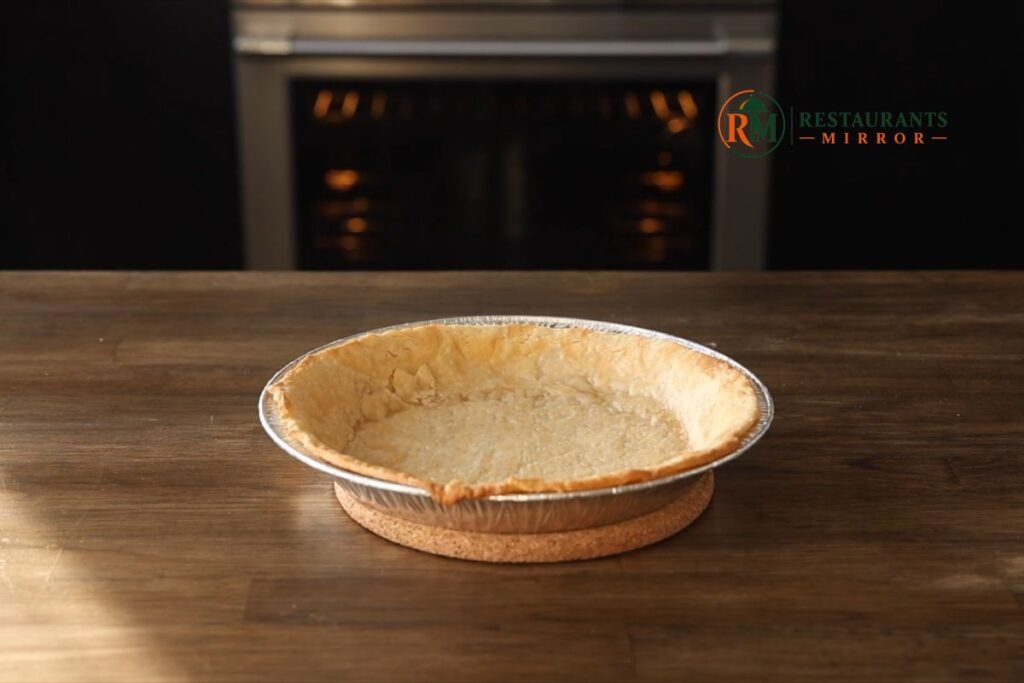
2. Finish the Crusts: Remove the weights and foil, then bake another 6 minutes until the bottoms turn lightly golden. Cool both crusts completely before adding any filling.
Filling a warm crust with warm custard cooks the edges too fast, leaving the center undercooked once baked.
3. Whisk the Eggs: Drop the oven to 350°F. Crack the eggs into a bowl and whisk them well before transferring to the saucepan.
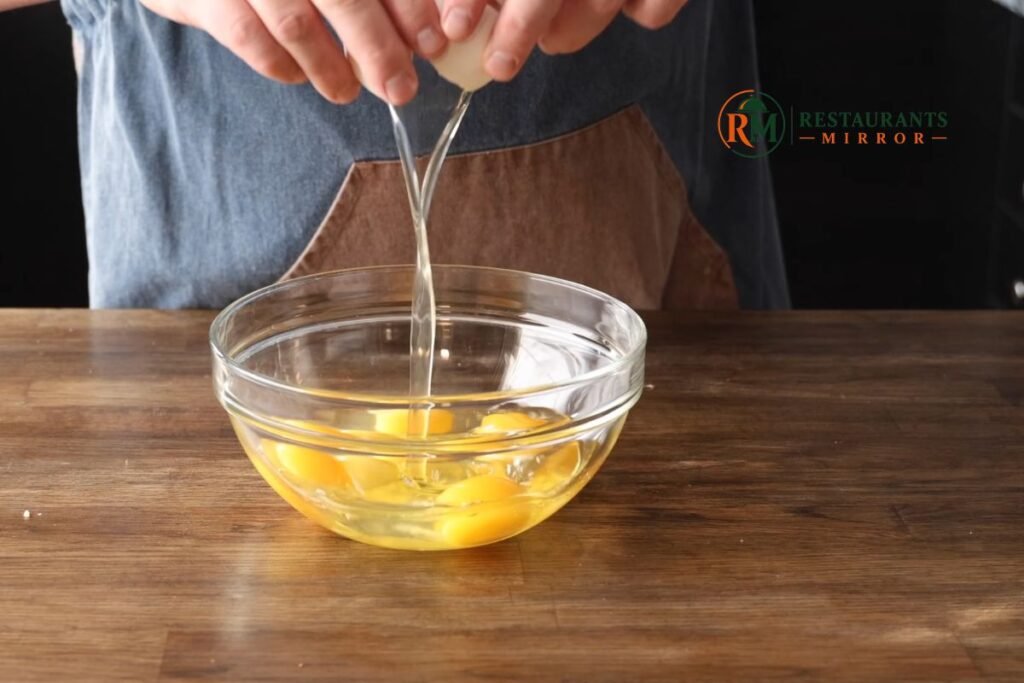
4. Build the Filling: Add brown sugar, milk, chopped pecans, flour, salt, and vanilla paste to the eggs in the saucepan. Stir everything together with a spatula until fully combined.
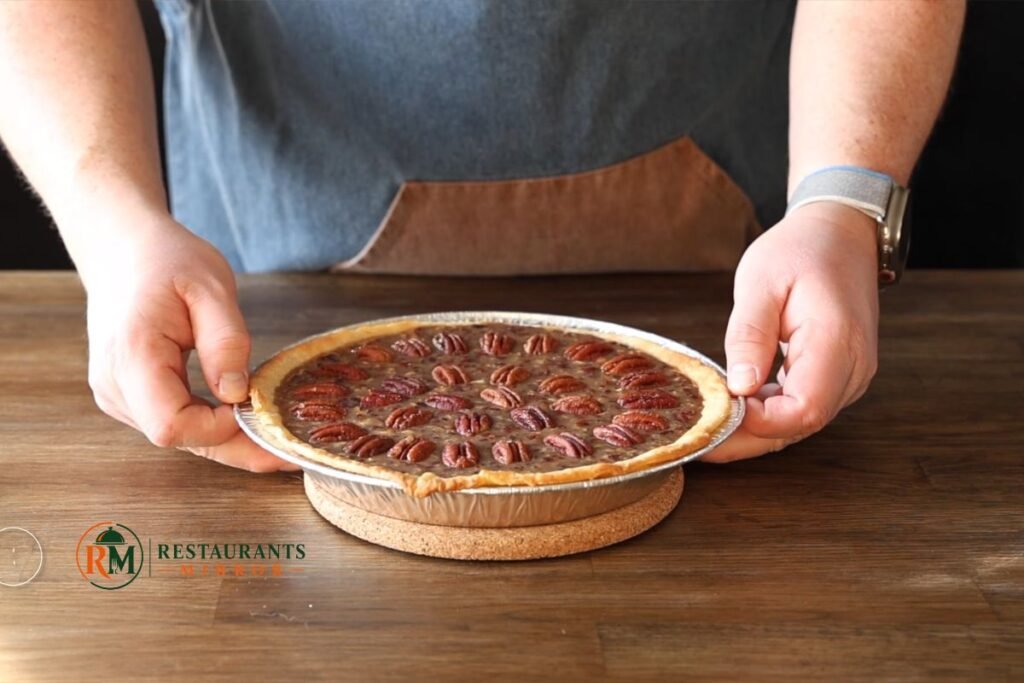
5. Cook Gently on the Stove: Set the pot over medium-low heat and stir constantly for about 4 minutes, watching for steam rather than bubbles. Pull it once it reaches 150°F to 160°F.
The mixture should look slightly thickened and glossy, never simmering or foamy on top.
6. Fill and Bake: Divide the warm filling evenly between both cooled crusts and arrange pecan halves on top. Bake for 35 minutes, checking for a slight wobble in the center.
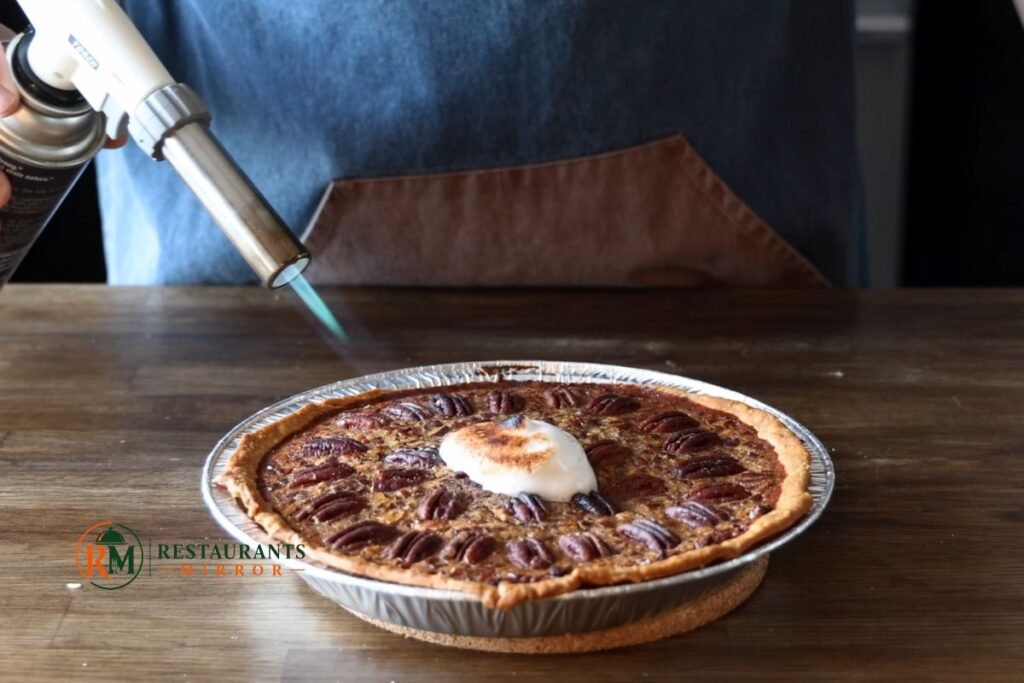
7. Check for Doneness: Pull the pies once the center reads between 170°F and 175°F on a thermometer. Going past 180°F tightens the custard and loses the soft, sliceable texture.
8. Cool Completely: Let both pies cool fully on a wire rack before slicing or topping with meringue. Cutting too early collapses the custard and leaves a runny slice.
9. Whip the Meringue: Beat egg whites with lemon juice until soft peaks form, then stream in caster sugar gradually. Continue beating until the meringue turns glossy and holds a stiff peak.
10. Finish the Pies: Pipe meringue over each cooled pie, then brown it with a kitchen torch or bake at 350°F for about 10 minutes.
Other Ways to Prepare the Pie
The oven method above stays the most reliable way to get an even custard set with a properly browned meringue on top.
A stovetop version skips the second bake entirely. Cook the filling longer on the stove, closer to 12 minutes, until it thickens like pudding, then pour it into a pre-baked crust and chill for 4 hours instead of baking, giving a firmer, denser slice.
An air fryer works for browning a single pie’s meringue without heating the whole oven. Set it to 330°F and check every 2 minutes, since air fryer baskets brown unevenly and burn meringue peaks fast without close attention.
Both alternatives change the final texture in different directions, one firmer and chilled, one identical but smaller-batch friendly.
My Best Tips for Tasting History Pecan Pie Recipe
1. Weeping Meringue: Add the lemon juice earlier and make sure the sugar fully dissolves before it stops beating.
2. Soggy Bottom Crust: Extend the blind bake by 2 minutes next time, and cool the crust fully before filling.
3. Custard Never Sets: The pie likely came out below 170°F. Return it to the oven for another 5 minutes.
4. Scrambled Custard Texture: The stovetop heat ran too high. Drop to low heat and stir constantly next batch.
5. Cracked Crust Edges: The dough dried out during blind baking. Brush the edges lightly with egg wash before the first bake.
6. Torch Browns Unevenly: Keep the flame moving constantly instead of holding it over one spot too long.
Easy Tasting History Pecan Pie Variations to Try
Chocolate Chip Pecan Pie: Fold in a half cup of semisweet chocolate chips with the pecans. This adds pockets of melted chocolate throughout, best served slightly warm.
Maple Pecan Pie: Swap 3 tablespoons of the brown sugar for maple syrup. This shifts the sweetness toward something earthier, nice alongside coffee.
Salted Caramel Pecan Pie: Drizzle caramel sauce over the top before adding pecan halves. This adds a sticky sweetness, good for guests who like richer desserts.
Coconut Pecan Pie: Sprinkle toasted coconut flakes over the top alongside the pecans. This adds a chewy texture contrast, nice for a spring gathering.
Spiced Pecan Pie: Stir in a half teaspoon each of cinnamon and nutmeg. This deepens the flavor slightly, good alongside a holiday roast dinner.
What to Serve With Tasting History Pecan Pie
Whipped cream on the side softens the sweetness of the custard filling nicely, especially served slightly chilled.
A strong cup of black coffee cuts through the richness well, since the bitterness balances the brown sugar base.
Vanilla ice cream works too, melting slightly over a warm slice for a contrast in temperature.
For a full dessert spread, pair this pie with a simple fruit salad and coffee, letting the custard filling anchor the sweeter end of the table.
How to Store, Freeze, and Reheat Leftovers
Baked pie without meringue keeps well in the refrigerator for up to 4 days, covered loosely with foil to protect the top. Add meringue only right before serving for the cleanest texture.
Meringue does not freeze well, so freeze the plain custard pie instead, wrapped tightly, for up to 2 months. Thaw overnight in the fridge before topping and serving.
Reheat individual slices briefly at 300°F for about 8 minutes, since a full cold slice tastes noticeably denser than one served slightly warmed.
Frequently Asked Questions
1. Can I use a store-bought pie crust?
Yes, store-bought dough works fine and saves considerable prep time. Blind bake it the same way as homemade dough.
2. Do I need a thermometer for this recipe?
It helps a great deal for consistent results, though watching for a slight wobble in the center works as a backup method.
3. Can I skip the meringue entirely?
Yes, the pie tastes complete without it, closer to a plain custard pecan pie. Whipped cream works as a simple topping instead.
4. Why did my custard scramble on the stove?
The heat likely ran too high, or the pot lacked rounded corners. Lower the heat and stir constantly to fix this.
5. Can I use pecan halves instead of chopped pecans in the filling?
Chopped pecans distribute more evenly through the custard. Halves work but leave larger gaps of plain filling between pieces.
6. Is a kitchen torch required for the meringue?
No, the oven browns meringue well at 350°F for about 10 minutes without any torch needed.
7. What happens with a gluten-free crust?
It works fine, though gluten-free dough tends to crack more during blind baking. Handle it gently while pressing it into the pan.
8. Why is my meringue sliding off the pie?
The filling was likely too warm when the meringue went on top. Cool the pie completely before piping.
Tasting History Pecan Pie Recipe
Ingredients
Method
- Heat the oven to 425°F. Line both pie pans with dough, add foil and pie weights, and bake for 12 minutes.
- Remove the weights and foil, then bake for another 6 minutes until the bottoms turn lightly golden. Cool both crusts completely before adding any filling.
- Filling a warm crust with warm custard cooks the edges too fast, leaving the center undercooked once baked.
- Drop the oven to 350°F. Crack the eggs into a bowl and whisk them well before transferring to the saucepan.
- Add brown sugar, milk, chopped pecans, flour, salt, and vanilla paste to the eggs in the saucepan. Stir everything together with a spatula until fully combined.
- Set the pot over medium-low heat and stir constantly for about 4 minutes, watching for steam rather than bubbles. Pull it once it reaches 150°F to 160°F. The mixture should look slightly thickened and glossy, never simmering or foamy on top.
- Divide the warm filling evenly between both cooled crusts and arrange pecan halves on top. Bake for 35 minutes, checking for a slight wobble in the center.
- Pull the pies once the center reads between 170°F and 175°F on a thermometer. Going past 180°F tightens the custard and loses the soft, sliceable texture.
- Let both pies cool fully on a wire rack before slicing or topping with meringue. Cutting too early collapses the custard and leaves a runny slice.
- Beat egg whites with lemon juice until soft peaks form, then stream in caster sugar gradually. Continue beating until the meringue turns glossy and holds a stiff peak.
- Pipe meringue over each cooled pie, then brown it with a kitchen torch or bake at 350°F for about 10 minutes.
This Tasting History Pecan Pie Recipe changed how I think about pecan pie entirely, moving it further from candy and closer to something closer to a baked pudding.
The stovetop step takes patience, but the payoff shows in every slice cut from a fully cooled pie.