
Betty Crocker Lemon Meringue Pie Recipe
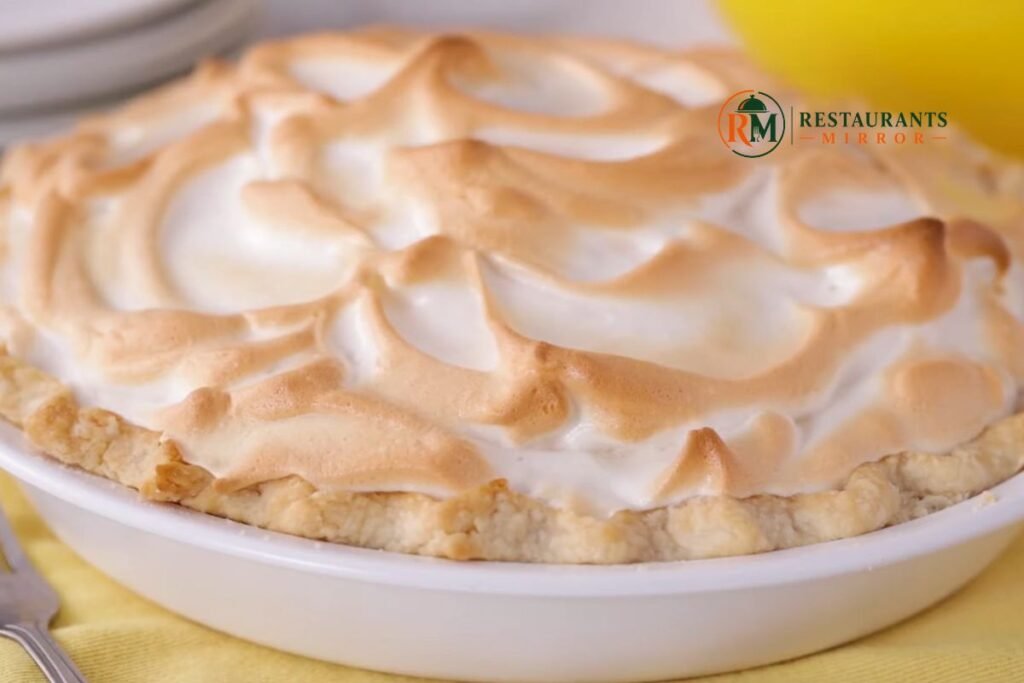
Betty Crocker Lemon Meringue Pie Recipe was always a little special in my house growing up. The lemon filling was bright and tart, the meringue was soft with those golden toasted peaks, and somehow the corner slice always disappeared first.
I kept coming back to the old Betty Crocker version because the flavor was exactly what I remembered. The problem was that the instructions assumed you already knew what “boil and stir constantly” looked like in a real kitchen.
On my first few tries, I didn’t. I ended up with filling that was either too loose or too thick, and meringue that looked beautiful in the oven but started to weep later.
That sent me back to the kitchen to test it properly. I made the pie several times, changing one thing at a time and paying close attention to how long the filling took to thicken, when the meringue needed to go on, and how the pie behaved as it cooled. Those little details made a bigger difference than I expected.
Why This Lemon Pie Recipe Has Stayed in My Family
This Betty Crocker Lemon Meringue Pie Recipe stays close to that torn card my grandmother taped inside her cupboard. The crust bakes fully before the filling goes in, so it never turns soggy underneath. That one step solves most complaints people have about lemon pie crust.
The filling sets firm enough to slice clean, thanks to real cornstarch and real egg yolks. Nothing here leans on gelatin or shortcuts. Cook the base the right way and the texture takes care of itself.
Meringue gives people more trouble than any other part of this pie. Spreading it onto hot filling, right to the crust edge, stops shrinking and weeping later.

Ingredients for Betty Crocker Lemon Meringue Pie
1 Cup All-Purpose Flour: This gives the crust its structure, so it holds up under the warm lemon filling without turning soggy. I always keep Gold Medal flour in my pantry for pie crusts. Store it in a cool, dry cabinet to keep it fresh longer.
½ Teaspoon Salt: Salt cuts through the richness of the shortening and balances the sugar in the filling later. Plain table salt works fine here, since the fine grains blend into the dough evenly.
⅓ Cup Cold Shortening: Cold shortening creates small pockets of fat that melt in the oven, giving the crust its flaky layers. I reach for Crisco sticks, since they measure straight from the wrapper. Keep it in the fridge until the moment you cut it in.
3 To 4 Tablespoons Cold Water: Water binds the flour and fat together without melting the fat too soon. Add it one tablespoon at a time, since too much water makes a tough dough. Ice-cold water works best on warm days.
3 Large Egg Yolks: The yolks thicken the lemon filling and give it a rich, custard-like body. Whisk a portion of the hot sugar mixture into the yolks first, so they warm slowly and do not scramble.
Save the whites in a clean bowl right away for the meringue.
1½ Cups Granulated Sugar: This sugar sweetens the tart lemon filling and helps the cornstarch set into a sliceable texture. I use plain granulated sugar from Domino, since it dissolves fast over medium heat.
⅓ Cup Plus 1 Tablespoon Cornstarch: Cornstarch is the thickener that turns lemon juice and water into a filling you can cut cleanly. Whisk it into the sugar first, since lumps form fast in liquid alone.
1½ Cups Water: Water carries the sugar and cornstarch into a smooth base before the lemon juice goes in. Plain tap water is fine here. Measure it exactly, since extra water thins the finished set.
3 Tablespoons Butter: Butter adds shine and a rounder flavor to the tart filling once it comes off the heat. I use salted butter, usually Land O’Lakes, since it is what I keep on hand.
2 Teaspoons Grated Lemon Zest: Zest carries most of the lemon aroma, since the oil sits in the peel rather than the juice. Use a microplane grater and only the yellow layer, since white pith turns bitter fast.
½ Cup Fresh Lemon Juice: Fresh juice gives the filling its sharp, clean tartness that balances all that sugar. I squeeze my own from four or five lemons, since bottled juice tastes flat and metallic.
Bottled juice works in a pinch, though the flavor turns duller.
3 Large Egg Whites, Room Temperature: Room temperature whites whip up taller and hold air better than cold ones straight from the fridge. Even a small speck of yolk stops them from whipping properly.
¼ Teaspoon Cream of Tartar: Cream of tartar stabilizes the egg whites, so the meringue holds its peaks instead of collapsing after baking. I keep a small jar of Spice Islands cream of tartar just for this recipe.
6 Tablespoons Granulated Sugar: This sugar sweetens the meringue and helps it turn glossy instead of grainy or dry. Add it slowly, one tablespoon at a time, while the mixer runs on high speed.
½ Teaspoon Vanilla Extract: Vanilla rounds out the sweetness in the meringue without hiding the lemon underneath. I use pure vanilla extract, since imitation vanilla leaves a slightly bitter aftertaste once baked.
Equipment I Use
- 9-inch glass pie plate: bakes crust evenly
- Pastry blender: cuts fat into flour
- Rolling pin: rolls dough evenly
- 2-quart saucepan: cooks the filling
- Electric hand mixer: whips meringue fast
- Whisk: blends filling smoothly
- Cooling rack: cools pie evenly
- Microplane grater: zests lemon finely
How to Make This Lemon Meringue Pie
1. Mix and Chill the Dough: In a bowl, stir together the flour and salt, then cut in cold shortening with a pastry blender until it looks like small peas. Add cold water one tablespoon at a time, just until it holds together, then chill 45 minutes.
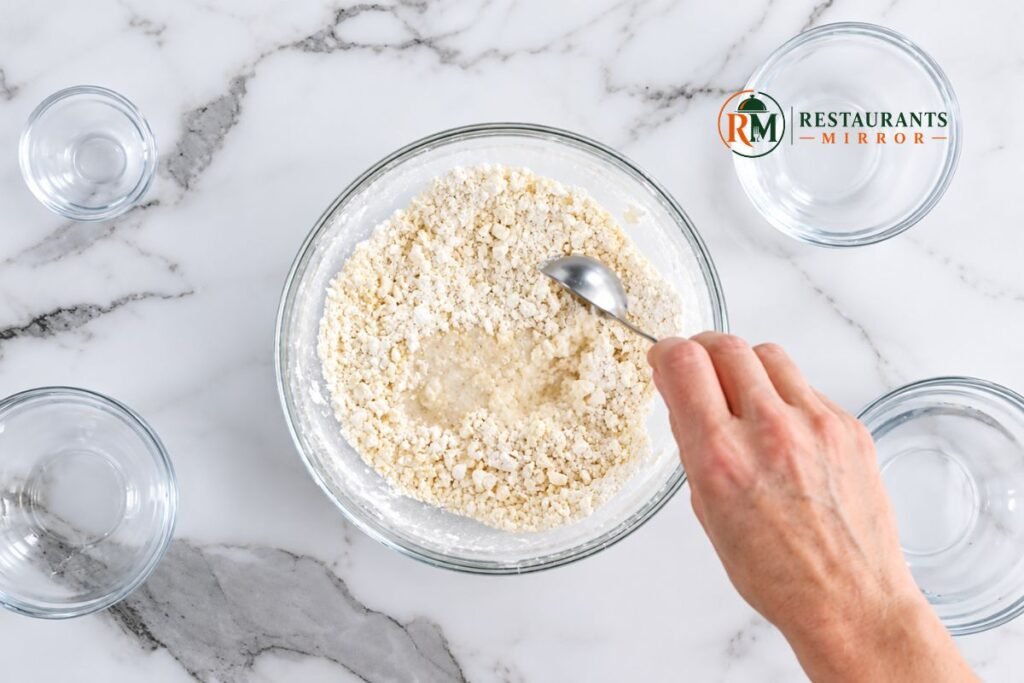
2. Roll and Shape the Crust: On a floured counter, roll the chilled dough into a circle about two inches wider than the pie plate. Ease it into the plate, press the bottom and sides, then trim and flute the edge.
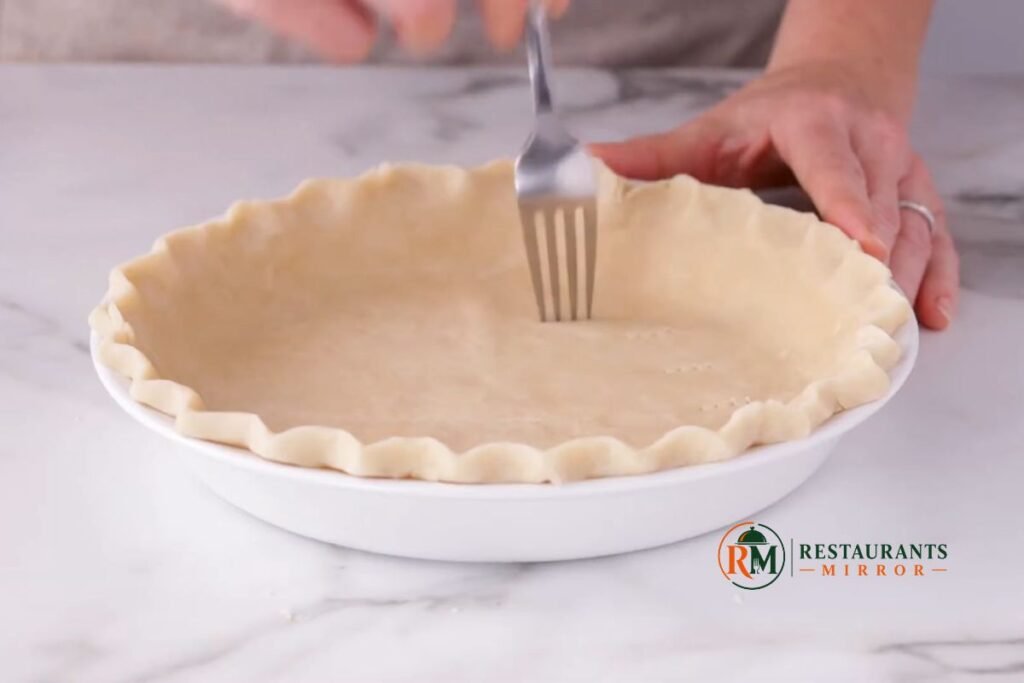
3. Bake the Crust: Prick the bottom and sides with a fork so steam escapes, then bake at 450°F for about 14 minutes, until light golden brown.
The edges should look dry and pale gold, not deep brown. A crust that puffs badly usually needed more fork holes before baking.
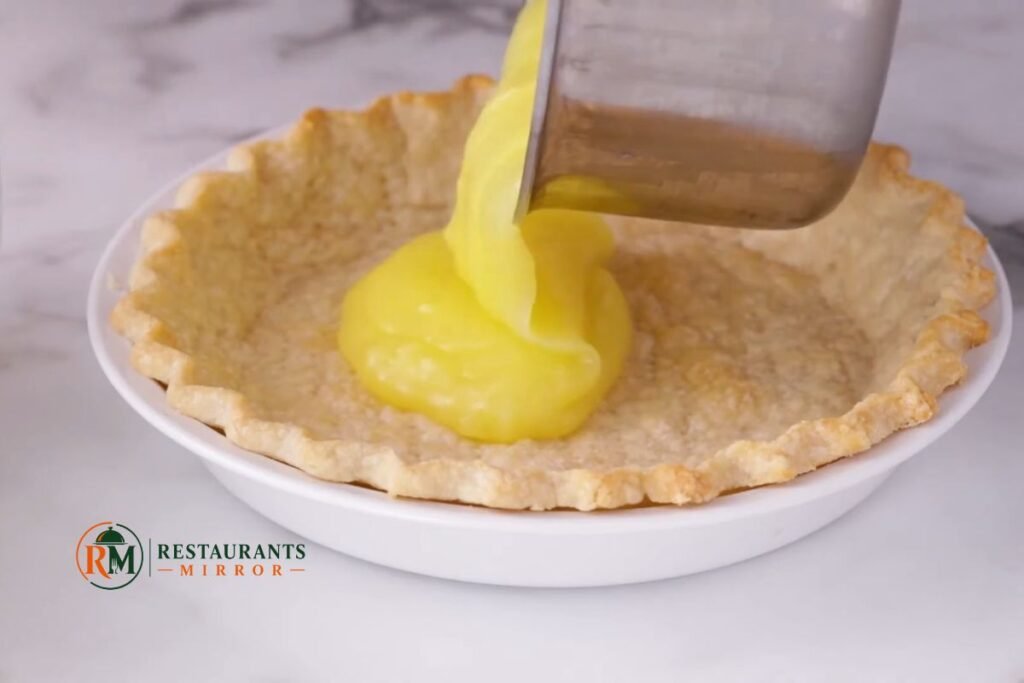
4. Cook the Sugar and Cornstarch Base: In a saucepan, whisk sugar and cornstarch together first, then stir in water slowly to avoid lumps. Over medium heat, this thickens and starts to bubble, taking around 8 to 9 minutes with steady stirring.
5. Temper the Egg Yolks: Whisk the yolks in a small bowl, then slowly pour in half the hot sugar mixture while whisking fast. Stir this back into the saucepan and boil two more minutes.
A grainy or lumpy filling means the yolks heated too fast. Strain the filling through a fine mesh sieve to smooth it out again.
6. Finish the Filling: Off the heat, stir in butter, lemon zest, and lemon juice with a whisk, until the filling turns glossy and smells sharp and bright. Keep it warm and covered while the meringue comes together.
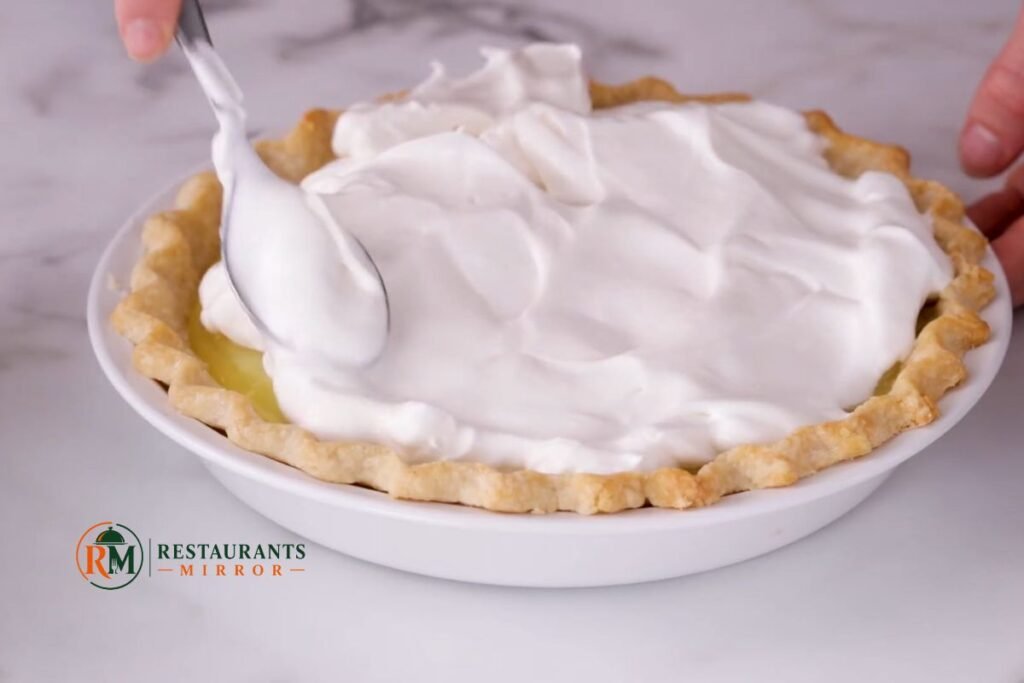
7. Whip the Meringue: In a clean bowl, beat egg whites and cream of tartar until foamy, then add sugar slowly, one tablespoon at a time, on high speed. Keep beating until peaks turn stiff, glossy, and hold their shape.
8. Assemble and Bake: Pour the hot filling straight into the baked crust, then spread meringue over the top right away, sealing it to the crust edge. Bake at 350°F for 20 to 25 minutes, until golden brown on top.
9. Cool and Chill: Cool the pie on a rack for one hour, then chill in the fridge for about 4 hours, until the filling sets firm enough to slice cleanly.
Perfection Tips for a Better Lemon Meringue Pie
1. Weeping Filling: A watery layer under the meringue means the filling had cooled some. Pour it straight off the stove, still steaming, before spreading meringue.
2. Shrinking Meringue: Meringue pulling away from the crust after baking was not sealed to the edge. Spread it fully onto the crust rim, not just the center.
3. Amber Beads on Top: Small amber beads on the meringue mean it overbaked or sat too long before cooling. Pull it from the oven the moment it turns golden.
4. Runny Slices: A pie that won’t hold its shape likely skipped the full chill. Give it the full four hours in the fridge before slicing.
5. Tough Crust: A hard, dense crust usually means the dough got overworked. Mix just until it holds together, then stop.
6. Grainy Meringue: Sugar that never fully dissolved leaves a gritty bite. Rub a bit between two fingers; it should feel smooth, not sandy.
Lemon Meringue Pie Variations Worth Trying
Coconut Lime Pie: Swap the lemon juice for lime juice and fold a scant ¼ cup toasted coconut into the baked crust before filling. This gives the pie a tropical, slightly nutty base. Good after a summer cookout.
Blueberry Swirl Pie: Warm ½ cup blueberry preserves and swirl it into the lemon filling right before pouring it into the crust. This adds pockets of dark, sweet fruit.
Toasted Meringue Peaks: Use a kitchen torch to brown the peaks after a shorter bake, instead of relying only on oven heat. This gives sharper, darker peaks with more contrast.
Ginger-Lemon Pie: Add ½ teaspoon ground ginger to the sugar and cornstarch mixture before cooking. This adds warmth that plays well against the sharp lemon juice. Serve this one in cooler months.
Meringue-Free Lemon Pie: Skip the meringue and top the chilled pie with sweetened whipped cream instead. This suits anyone who finds meringue too sweet or fussy to make.
Browned Butter Crust: Swap 2 tablespoons of the cold shortening for browned, then re-chilled butter, before cutting it into the flour. This adds a nutty, toasted note under the tart filling.
What Dishes to Try With This Lemon Meringue Pie
A slice of this pie holds its own after something heavy, since the lemon cuts through rich food fast. Try it after a chicken dinner or a plate of baked ziti.
For drinks, plain black coffee or hot tea balance the sugar well, since bitterness cancels sweetness. A cold glass of milk works too, especially for kids at the table.
For a lighter pairing, a simple salad with a sharp vinaigrette works well before the pie. Acid on acid keeps the meal from feeling too sweet overall.
For a full spring meal, I serve roasted asparagus, a simple baked chicken, and this pie last, so the lemon closes the meal on a bright note.
How I Store Lemon Meringue Pie
Store this pie in the fridge for up to 3 days, loosely covered with plastic wrap or foil. Meringue weeps a bit more each day, so the top looks glossy by day two.
Freezing is not a good idea for this pie, since meringue turns rubbery and weeps heavily after thawing. The filling itself also loses its clean set texture once frozen and thawed.
For leftover slices, a shallow container with a tight lid keeps the crust from picking up fridge smells. Keep the pie away from strong foods like onions in the same fridge.
A soggy crust after a day or two means moisture from the filling worked its way down. There is no real fix, aside from eating it a bit sooner next time.
Easy Ways to Use Leftover Pie
Leftover slices, still fresh within 2 days, blend well into a quick milkshake. Add a slice to vanilla ice cream and a splash of milk, then blend until smooth.
Crumbled leftover pie, crust and all, works well layered into a quick trifle with whipped cream and fresh berries. Use it within the first day or two, before the crust turns too soft.
Lemon Meringue Pie Recipe FAQs
Can I use a store-bought crust for this recipe?
Yes, a store-bought or frozen deep-dish crust works fine here. Bake it fully first, following the package directions, since a raw crust under hot filling turns soggy fast.
Do I need a stand mixer for the meringue?
No, a hand mixer works just as well, since the egg white volume here is small. It just takes a few extra minutes of beating to reach stiff, glossy peaks.
Can I make this Betty Crocker Lemon Meringue Pie Recipe less tart?
Yes, cut the lemon juice to 1/3 cup and add an extra 2 tablespoons of sugar to the filling. This softens the tartness without changing the set texture much.
Why did my meringue turn watery underneath?
This usually means the filling had cooled some before the meringue went on top. Spread meringue only onto filling that is still hot, straight from the stove.
Can I make the crust one day ahead?
Yes, the baked, cooled crust holds well at room temperature, covered, for one day. Fill it the next day, right before you plan to bake the meringue on top.
What is the best way to cut clean slices?
Dip a sharp knife in hot water, wipe it dry, then cut. Repeat this between each slice, since dried filling sticks to the blade and drags the meringue.
Can I use bottled lemon juice instead of fresh?
Bottled juice works, though the flavor turns duller and slightly metallic. Fresh juice gives a brighter, sharper filling, so it is worth the extra squeezing time.
How long does this pie really stay good?
Three days in the fridge is the real limit, since the meringue breaks down after that. The crust also turns soft by day three from trapped filling moisture.
Can I skip the cream of tartar in the meringue?
A scant ½ teaspoon lemon juice or white vinegar works in its place, stirred into the whites before beating. Both help stabilize the foam nearly as well.
Why is my filling too thin after chilling?
This usually means the cornstarch mixture never reached a full boil for the full 2 minutes. A hard boil, not a light bubble, is what activates the starch fully.

Betty Crocker Lemon Meringue Pie Recipe
Ingredients
Equipment
Method
- In a bowl, stir together the flour and salt, then cut in cold shortening with a pastry blender until it looks like small peas. Add cold water one tablespoon at a time, just until it holds together, then chill 45 minutes.
- On a floured counter, roll the chilled dough into a circle about two inches wider than the pie plate. Ease it into the plate, press the bottom and sides, then trim and flute the edge.
- Prick the bottom and sides with a fork so steam escapes, then bake at 450°F for about 14 minutes, until light golden brown.
- The edges should look dry and pale gold, not deep brown. A crust that puffs badly usually needed more fork holes before baking.
- In a saucepan, whisk sugar and cornstarch together first, then stir in water slowly to avoid lumps. Over medium heat, this thickens and starts to bubble, taking around 8 to 9 minutes with steady stirring.
- Whisk the yolks in a small bowl, then slowly pour in half the hot sugar mixture while whisking fast. Stir this back into the saucepan and boil two more minutes.
- A grainy or lumpy filling means the yolks heated too fast. Strain the filling through a fine mesh sieve to smooth it out again.
- Off the heat, stir in butter, lemon zest, and lemon juice with a whisk, until the filling turns glossy and smells sharp and bright. Keep it warm and covered while the meringue comes together.
- In a clean bowl, beat egg whites and cream of tartar until foamy, then add sugar slowly, one tablespoon at a time, on high speed. Keep beating until peaks turn stiff, glossy, and hold their shape.
- Pour the hot filling straight into the baked crust, then spread meringue over the top right away, sealing it to the crust edge. Bake at 350°F for 20 to 25 minutes, until golden brown on top.
- Cool the pie on a rack for one hour, then chill in the fridge for about 4 hours, until the filling sets firm enough to slice cleanly.
Betty Crocker Lemon Meringue Pie Recipe sits somewhere between a dessert and a small piece of personal history, taped to a cupboard door for decades.
The crust, the sharp filling, and the tall meringue peaks all trace back to one worn card. The lemon zest amount is the one change I never go back on.